

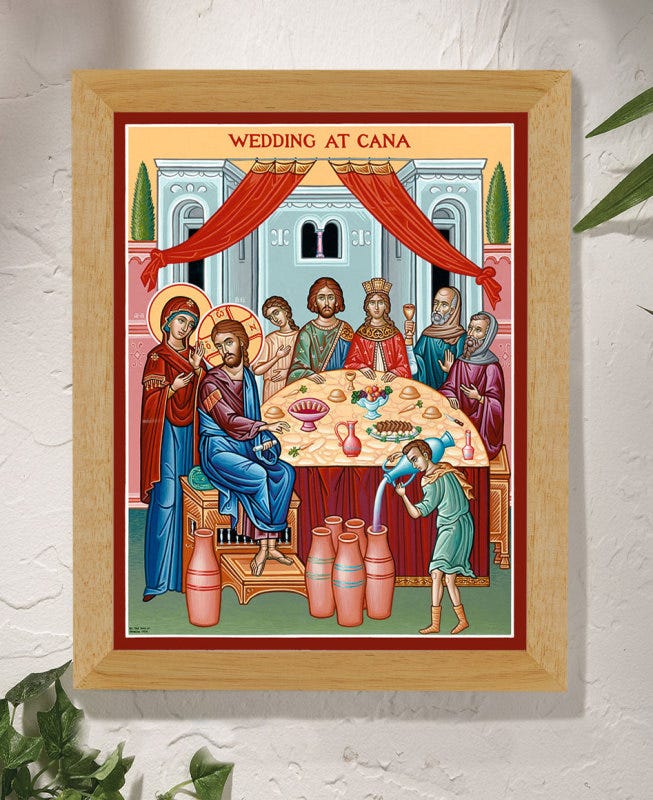
Trusting Like Mary:Lessons from the Wedding at Cana
Our Lady's Intercession and the Fruits of Consecration

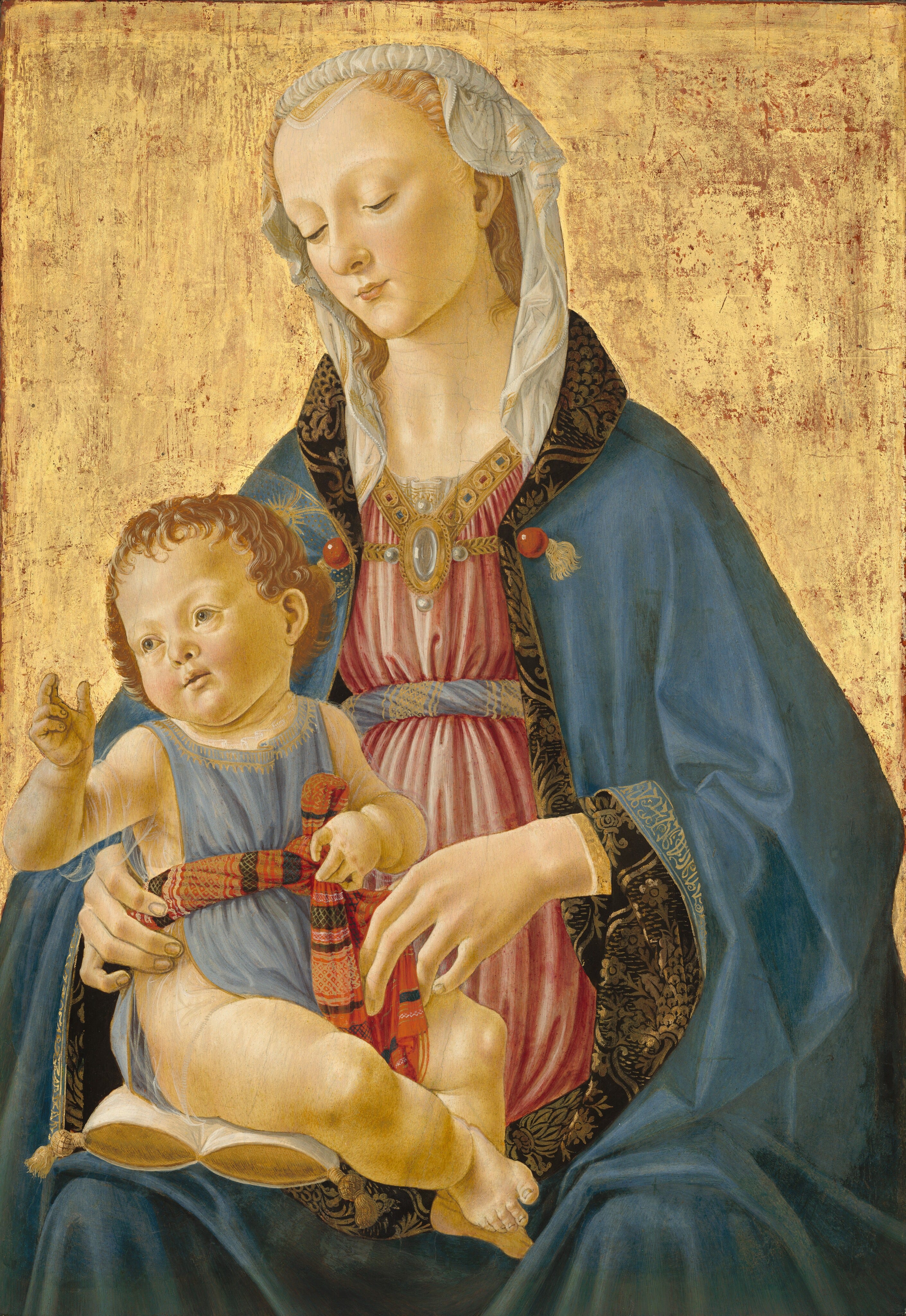
When theologians discuss the Wedding at Cana, they often highlight Our Lady’s unique ability to prompt Jesus into action, as only a mother can. As a teenager, I thought myself to be rebellious—always pushing back against authority. Yet, no matter how much I claimed to be anti-establishment if my mom told me I had to be home for a family event, I knew I would be there—no arguments.
Sure, I would grumble, but Mama Gracia always had a way of getting her way. This dynamic, though familiar on a personal level, is profoundly significant in the life of Jesus and the broader narrative of faith. As Catholics, we can confidently call Mary the Mediatrix of All Graces1 because, in all things, she never wills or asks for anything apart from God’s will.
Her role in initiating Jesus’ public ministry is pivotal—not solely because of her command, but because of her deep, unwavering trust in God’s plan. At the Wedding at Cana, Mary tells the servants to “Do whatever He [Jesus] tells you.”
These words are not just an instruction; but a declaration of unshakable faith: "Yes, He can, and yes, He will." All things are possible with God.
In many ways, this is her first act of intercession—a role she would continue to fulfill as Queen of Heaven, interceding for all the faithful. Mary's willingness to trust and direct others to Jesus marks the beginning of her mission as our spiritual mother, leading us to Him with the same simplicity and trust.
What strikes me most about this passage is the simplicity of her trust. Sure, turning water into wine is miraculous, but it seems almost like child’s play compared to the more grandiose acts of God in Scripture—parting the Red Sea, raising the dead, feeding manna to the Israelites in the desert.
And yet, in that moment, Mary’s faith reveals something profound: that God is present in the details of our everyday lives, even in something as simple as a shortage of wine.
Mary’s boldness exemplifies the principle of “Ask and you shall receive.” It reveals the heart of the Father—who loves His creation so much that He desires to be involved in every aspect of our lives. Lately, whenever I pray “Lord, Your will be done” or “I trust in You; take care of everything,” I am reminded of the gap between my faith and Mary’s.
Despite these words, my heart often wavers. I may profess to have the faith to move mountains, but when the storms of life come, my gaze falters, and I begin to sink—just as Peter did when he stepped out of the boat.
Perhaps this is why some of the most relatable figures in Scripture are met with the rebuke, “Oh, you of little faith.” These moments aren’t meant to shame us, but to encourage us to rise again. We are called to so much greater. Even St. Peter—imperfect, rough around the edges, and prone to doubt—was entrusted with the keys to the Kingdom.
Faith is the belief in things unseen, trusting in a God who is Spirit and in promises yet to be fulfilled. We say we walk by faith, not by sight, yet we often demand proof before we take the next step. We claim we’ll take a leap of faith, but we still want to see the blueprint first.
Think of your favorite director. You trust that they know how to craft a quality film, so when you see their name attached to a project, you buy the ticket. You don’t ask for the script or check the reviews before deciding to watch. You trust their vision without needing to control the process. Could we apply that same trust in God’s plan for us?
Thankfully, the Immaculata knows how to work with our imperfect, mustard-seed faith. In the School of Mary, we learn to trust as she trusts. No disciple surpasses Our Lady in fidelity—she is the personification of unwavering trust. Her fiat, "May it be done to me according to your word," is a model for us all.
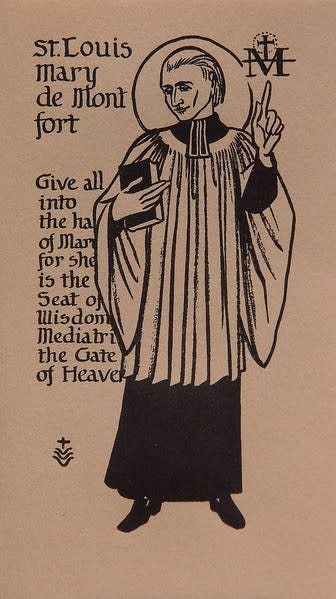
When we consecrate ourselves to Mary, she guides us in our prayers and contemplation. United in heart and mind, we become instruments in her hands, living each moment with the desire to give glory to God. Anything we offer her—our prayers, our love, our honor—is ultimately directed to God, through Mary and in Mary (as St. Louis de Montfort teaches in Treatise on True Devotion, n. 225).
Consecration to the Immaculata: A Call to Deeper Trust
In a world that often emphasizes control and self-sufficiency, consecrating ourselves to Mary might seem counterintuitive. But when we surrender to her, we’re not abandoning our freedom—rather, we’re entrusting ourselves to the most trustworthy of all hands: those of the Immaculata, whose only desire is to lead us closer to Christ.
Consecration to Mary, especially in the method of St. Maximilian Kolbe, is not just a one-time event but a daily commitment. St. Maximilian emphasized a total surrender to the Immaculata, trusting that she, more than anyone, knows how to lead us to Christ. This involves giving everything—our joys, our sufferings, our desires—into her hands, so that she can present it to God in a way that is most pleasing to Him.
This act of total surrender doesn’t mean passivity. It’s about being active in our devotion to her, allowing her to guide us in every aspect of our lives. Kolbe wrote extensively about the importance of living in total union with the Immaculata, and he encouraged all to make a consecration that was total, unconditional, and lifelong. He recognized that in this union, we become better instruments for Christ, cooperating more fully with God’s will.2
Practical Applications for Growing in Faith
Pray the Rosary
Meditate on the life of Jesus through the scenes of the Scriptures. The Rosary invites us to ponder these moments and discern their relevance in our own lives, deepening our trust and understanding.The Jesus Prayer
At the School of Mary, we learn to “ponder all things in our hearts.” Ask for Mary’s intercession to gather your scattered thoughts and seek perseverance in adoring Jesus. Make space for silence to speak and for your heart to listen.Lectio Divina
St. Maximilian Kolbe was known for asking, "Immaculata, who are you?" throughout his life and seeking her help as he read Scripture. Just as children interrupt stories with questions to better understand, we must approach Our Lady with that same childlike trust and curiosity to uncover the depths of Divine Wisdom.

St. Louis de Montfort wrote, "When the Holy Spirit finds Mary in a soul, he flies to it." With Mary's guidance, we begin to see Jesus in every facet of the Word. Does seeking Mary's intercession diminish the role of the Holy Spirit? Not at all. The Holy Spirit delights when we trust in Mary, for, like her, we desire to fulfill God’s will. We allow the Holy Spirit to work freely within us, as Mary did.
To trust in the Theotokos (the God-bearer) is to take Jesus at His word. When He entrusted Mary to St. John at the foot of the Cross, He gave us not just a mother in a natural sense, but a spiritual mother for all of humanity. St. John’s acceptance of Mary into his home symbolizes our call to invite her into our hearts and lives. As we do this, we learn from her—just as she obtained Wisdom from the Father.
She is not just a passive figure, but the one through whom creation is renewed. Her maternal care and guidance are intimately tied to the redemptive work of Christ and the Holy Spirit, always pointing us toward the ultimate source of grace and salvation.
In this Advent season, may we learn to trust as Mary trusted—completely and without hesitation. And may we, like her, say to the Lord, “May it be done to me according to Your word.”
Independent of the Holy Spirit and apart from Christ, Mary cannot act. She is the Mediatrix of All Graces because God has willed it—her role in distributing the graces of God is entirely dependent on her cooperation with the Holy Spirit and her union with Christ. This means that Mary's intercession is not independent or autonomous but always directed toward bringing us closer to her Son.
If you want to learn more about consecration to Our Lady, I highly recommend the book Led by the Immaculata by Joshua Mazrin, which beautifully explains how this devotion can transform your spiritual life. It offers practical insights and a deeper understanding of St. Maximilian’s teachings, helping you to cultivate a relationship with Mary that leads you closer to Christ.